

Recipe Science and Culinary Logs
🧪 The Science of Cellular Lysis, Chlorophyll Stabilization, and Micellar Bioavailability
A high-performance green smoothie should be vibrant, refreshing, and velvety smooth, without any gritty leaf flecks or rapid water separation. The culinary science behind a flawless leafy emulsion relies on cell-wall lysis, pigment preservation, and lipid absorption:
- Mechanical Lysis of Cellulose: Dark leafy greens like spinach and kale have tough cellular walls made of **cellulose**. The human digestive system lacks the cellulase enzyme to fully break down these cell walls, which leads to a coarse, leaf-flecked, "swimming-pool filter" texture and reduced nutrient absorption. High-speed blending at high shear forces mechanical lysis on these cell walls, releasing the chlorophyll and lock-in nutrients into a homogeneous colloidal suspension.
- Chlorophyll Oxidation Prevention: Chlorophyll, the green pigment in spinach and kale, degrades rapidly when exposed to heat and oxygen, turning a dull brownish-green. Blending creates micro-aeration and heat. Introducing citric acid from fresh lemon juice acts as an acidic buffer, lowering the pH, while vitamin C serves as a sacrificial antioxidant to keep the pigment in a pristine, bright green state.
- Avocado Lipid Emulsification: Soluble plant fibers tend to separate quickly in water. Avocados are rich in monounsaturated fats (lipids). When sheared, these lipids form a creamy, stable emulsion with the liquid base, preventing separation while forming a microscopic structural grid that holds the fibers in a velvety suspension.
- Micellar Bioavailability: Vitamins A, K, and E found abundantly in dark greens are lipophilic (fat-soluble). Consuming them without fats results in poor gastrointestinal absorption. The healthy fats in avocado form mixed micelles in the small intestine, facilitating high-efficiency nutrient transport.
📝 From the Test Kitchen: Our Testing Trials
We blended multiple green smoothies to find the ultimate refreshing green blend:
- Trial 1 (The Fibrous Separated Grasp): Blending raw curly kale with whole stems, unpeeled green apple, and regular ice in water. Result: An extremely gritty, leaf-flecked "pond filter" that separated instantly into a transparent water bottom and a thick kale sludge, tasting bitter and woody.
- Trial 2 (The Sugar Overload): Blending spinach and kale with sugary commercial orange juice and sweetened vanilla yogurt. Result: Highly palatable but cloyingly sweet, masking the fresh botanical notes and defeating the purpose of a clean, health-focused beverage, while the dairy-based protein curdled slightly under citrus acids.
- Trial 3 (Vibrant Emerald Viscous Perfection): Blending packed baby spinach and stemless Lacinato kale with almond milk and fresh lemon juice first to establish a pure emerald liquid vortex and lyse cell walls. Then, blending in sweet frozen banana, ripe pear (high in pectin), rich Hass avocado, and a tablespoon of chia seeds. Result: An incredibly velvety, ice-cold, vibrant green power smoothie with a clean citrus herbal aroma and an emulsion that stayed fully integrated for hours!
🍳 Test Kitchen Equipment Checklist
- High-Speed Blender (1200+ Watts): Essential to completely pulverize the cellular walls of spinach and kale, creating a true, velvety puree rather than a textured pulp.
- Stem-Stripping Tool: To cleanly strip the woody stems from the kale leaves; only the soft leaf blade should be used.
- Measuring Cups & Spoons: For exact ingredient ratios to maintain the delicate balance of sweetness and refreshing acidity.
⚠️ Blender Pitfalls & Smoothie Playbook
The "Greens First" Vortex: Always blend your liquid (almond milk and lemon juice) and leafy greens together on high speed *first* before adding other ingredients. This ensures the blades fully pulverize the tough greens into a fine liquid suspension, preventing unblended leaf flecks.
Avocado is Mandatory: Never omit the healthy fat source. The avocado is not just for texture; its lipids are chemically essential to absorb the lipophilic vitamins A and K from the kale and spinach. Do not skip this crucial nutrient carrier!
Our Step-By-Step Cooking Guide
Follow these meticulously documented, kitchen-tested instructions to secure perfect results on your first attempt:
-
Step 1
Add the unsweetened almond milk and fresh lemon juice to the jar of a high-speed blender, followed by the packed baby spinach and chopped Lacinato kale. Blend on high speed for 20 to 30 seconds until the greens are completely pulverized into a smooth, leafy green liquid vortex. Pulverizing greens first is essential to ensure full cellular wall lysis and avoid any gritty throat feel.
-
Step 2
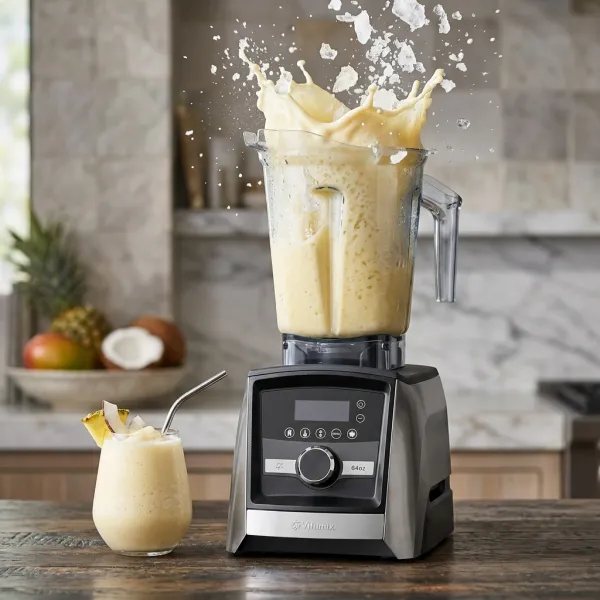
Add the frozen banana slices, cored pear pieces, ripe Hass avocado flesh, and chia seeds to the blender jar. The avocado lipids and pear pectin are key structural thickeners that bind the liquid emulsion.
-
Step 3
Secure the lid tightly. Start blending on medium-low speed for 15 seconds to draw down the solid ingredients, then increase to maximum high speed for 45 seconds until the mixture is completely uniform, glossy, and a rich, glowing emerald color. Let the smoothie rest in the blender jar for 1 minute to allow the chia seeds to absorb moisture and stabilize the emulsion, then serve cold!




This is officially my absolute favorite green smoothie recipe! Most green smoothies taste like grass clippings, but this one is amazingly creamy and has a bright, zesty finish. Blending the greens first with the almond milk and lemon juice makes such a difference—no kale bits in my teeth at all! The avocado is such a silky secret weapon.