

Recipe Science and Culinary Logs
🧪 The Science of High-Fiber Emulsions and Cellular Hydration
A flawless smoothie should be exceptionally velvety, thick, and completely integrated, rather than separating into a watery layer on the bottom and a fibrous pulp on top. Achieving this stable, luscious emulsion depends on the synergy of plant cellular structure and fruit enzymes:
- Soluble Fiber Binding: Mangos are rich in soluble fibers and natural **pectin**. When blended, these molecules expand and form a highly stable microscopic mesh network that traps water molecules. This is the absolute secret to a thick, silky body that resists separating over time.
- Intracellular Hydration: Cucumbers are composed of $95\%$ water stored inside high-pressure cell walls. Peeling the cucumber removes the tough, insoluble cellulose skin. Pureeing the cucumber releases this pure cellular water, which acts as the ultimate clean liquid base without adding heavy sugars.
- The Bromelain Action: Pineapples contain **bromelain**, a highly active proteolytic enzyme that breaks down proteins. While bromelain can cause dairy-based smoothies to turn bitter by breaking down casein, it works beautifully in plant-based, dairy-free smoothies. It softens the fibrous baby spinach cells, blending them into a smooth, leafy emerald suspension.
- Citric Acid Synergy: A splash of fresh lime juice adds citric acid, which lowers the pH of the blend. This acidity acts as a natural antioxidant to prevent the spinach and mango from oxidizing (browning), while cutting through the sugary mango profile for a perfectly balanced palate.
📝 From the Test Kitchen: Our Testing Trials
We blended multiple green smoothies to find the ultimate refreshing green blend:
- Trial 1 (The Grassy Separated Mess): We used an unpeeled standard slicing cucumber, raw kale with stems, and warm tap water. Result: The smoothie was highly fibrous, contained tough green skin flecks, tasted unpleasantly grassy, and separated into a watery clear layer and a green sludge within two minutes.
- Trial 2 (The Sugar Bomb): We blended mango, pineapple, and banana with sweetened orange juice, omitting the cucumber and lime. Result: The texture was incredibly thick and heavy, but the flavor was cloyingly sweet and lacked any thirst-quenching freshness. It felt more like a heavy dessert than a clean morning smoothie.
- Trial 3 (Vibrant Emerald Viscous Perfection): We peeled an English seedless cucumber and blended it with packed baby spinach, frozen mango (for fiber suspension), frozen pineapple (for tart acidity), coconut water, lime juice, and a tiny knob of fresh ginger. We blended the liquid and fresh greens first to establish a smooth vortex, then added the frozen fruit on high speed. Result: An exceptionally silky, vibrant green, ice-cold smoothie with a clean citrus herbal aroma and a smooth, non-separating body!
🍳 Test Kitchen Equipment Checklist
- High-Speed Blender (1200+ Watts): Essential to completely pulverize the cellular walls of spinach and cucumber, creating a true, velvety puree rather than a textured pulp.
- Silicone Jar Scraper: To easily extract every drop of the thick, viscous smoothie from the blender walls.
- Y-Peeler: To cleanly remove the cucumber skin without wasting the nutrient-rich, high-water flesh underneath.
⚠️ Blender Pitfalls & Smoothie Playbook
The Vortex Rule: Always add your liquids first (coconut water and lime juice), followed by fresh greens and cucumber, and frozen fruit last. The blades will catch the liquid first, creating a fast, downward suction vortex that pulls the heavy frozen elements down cleanly, preventing blender air pockets.
Use Frozen Fruit Instead of Ice: Adding ice cubes dilutes the rich fruit emulsion as it melts, turning your smoothie watery and bland. Using frozen mango and pineapple chunks chills the drink below freezing while maintaining an intensely rich, premium flavor profile.
Our Step-By-Step Cooking Guide
Follow these meticulously documented, kitchen-tested instructions to secure perfect results on your first attempt:
-
Step 1
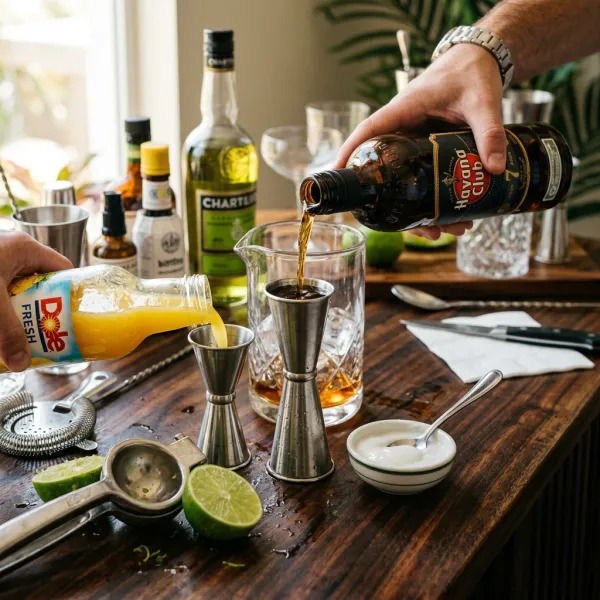
Add the unsweetened coconut water and fresh lime juice first to the jar of a high-speed blender. Placing the liquids at the bottom is crucial to help the blender blades catch and create a fluid vortex, preventing air pockets and engine strain.
-
Step 2
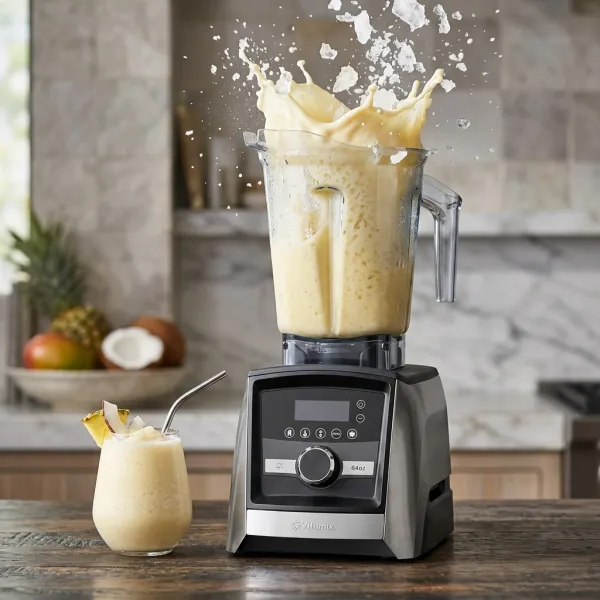
Layer in the fresh ingredients next: the chopped peeled English cucumber, fresh baby spinach, grated ginger, and fresh mint leaves. The cucumber will quickly release its cell water under the initial blade rotation to liquefy the spinach completely.
-
Step 3
Top with the frozen mango chunks and frozen pineapple chunks. Secure the lid tightly, start blending on low speed for 15 seconds to crush the frozen fruit, then increase to maximum high speed for 45 to 60 seconds until completely smooth, glossy, and velvety. Serve immediately in pre-chilled glasses!


Absolutely sensational! I followed the science playbook and layered the coconut water first before adding the frozen mango and pineapple. The texture came out so incredibly velvety and didn't separate at all, even after sitting for 20 minutes! The fresh ginger kick is pure genius.