

Recipe Science and Culinary Logs
🧪 The Science of Stirring vs. Shaking
A flawless Classic Martini must be crystal-clear, freezing cold, and possess a silky, viscous mouthfeel. James Bond's famous order of "shaken, not stirred" is actually a thermodynamic and structural mistake:
- The Cloudiness Trap: Shaking rapidly introduces tiny air bubbles into the spirit mixture. While this is great for aerating fruit juices or egg whites, it turns a clean spirit cocktail cloudy, ruining the elegant aesthetic.
- Thermal Over-Dilution: Shaking has a high rate of energy transfer, meaning the ice breaks and melts rapidly, adding too much water. Stirring with large, solid ice cubes for 30 seconds chills the mixture below freezing (down to -3°C / 26°F) while ensuring perfectly calibrated dilution (approx. 20-25%).
- The Vermouth Preservation Rule: Vermouth is a fortified wine, not a spirit. This means it oxidizes quickly when exposed to air. Always store your dry vermouth in the refrigerator once opened and consume it within 4-6 weeks!
📝 From the Test Kitchen: Our Testing Trials
We shook, stirred, and garnished multiple variations in our test kitchen to calibrate the perfect martini:
- Trial 1 (The Lukewarm Watery Mistake): We shook room-temperature gin and dry vermouth with small, melting ice chips from a home freezer. Result: The cocktail turned out cloudy, lukewarm, and highly diluted. It tasted thin, watery, and harsh.
- Trial 2 (The Oxidized Shelf Vermouth): We stirred gin with a bottle of vermouth that had been sitting open at room temperature on the bar shelf for six months. Result: The drink tasted flat, musty, and unpleasantly bitter, lacking the bright, crisp herbaceousness of fresh botanicals.
- Trial 3 (Stirred Freezer Chill Perfection): We chilled the glass and mixing container in the freezer beforehand. We used premium London Dry Gin, freshly opened Dolin Dry Vermouth kept in the fridge, a single dash of orange bitters, and stirred with solid, large ice cubes for exactly 30 seconds. We expressed a fresh lemon peel over the surface. Result: An exceptionally crisp, crystal-clear, icy-cold cocktail with a silky body and beautiful citrus botanical top-notes!
🍳 Test Kitchen Equipment Checklist
- Mixing Glass: A heavy-bottomed glass container designed specifically to chill spirits cleanly without aeration.
- Bar Spoon: Long-stemmed, twisted metal spoon to glide smoothly along the inside of the mixing glass, keeping the ice moving without cracking.
- Julep or Hawthorne Strainer: To cleanly filter out the large ice cubes while retaining the silky liquid.
- Y-Peeler or Channel Knife: Essential to cut a wide, clean swath of lemon peel without including the bitter white pith.
⚠️ Troubleshooting & Mixology Playbook
The Temperature Rule: If your martini is not served freezing cold, it is not a martini. Suppression of alcohol burn is purely temperature-dependent. Always pre-chill your glassware and spirits.
Garnish Synergy: If using a lemon peel, squeeze it skin-side-down directly over the glass to spray the oils. If using olives, rinse them first; unrinsed olives release excess brine that clouds the drink and overpowers the delicate vermouth.
Our Step-By-Step Cooking Guide
Follow these meticulously documented, kitchen-tested instructions to secure perfect results on your first attempt:
-
Step 1
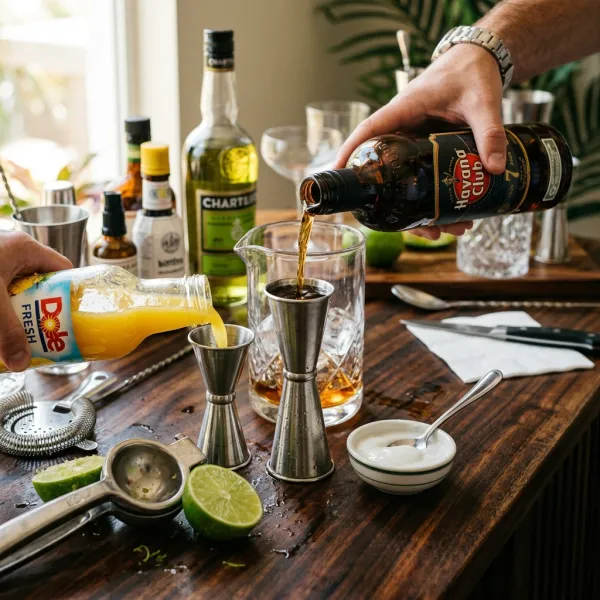
Place your martini glass (coupe or V-shaped) in the freezer for at least 10 minutes before building the drink. A martini must be served freezing cold to suppress alcohol burn and highlight botanical textures.
-
Step 2
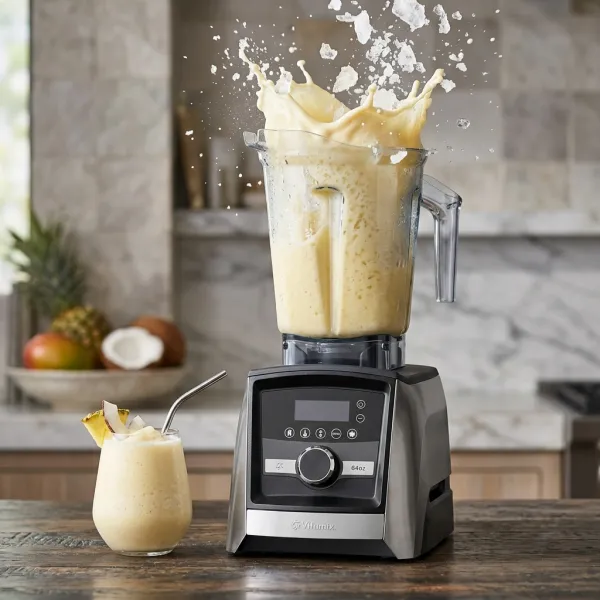
In a mixing glass, combine 2.5 oz of gin (or vodka), 0.5 oz of dry vermouth, and a single dash of orange bitters. Fill the glass to the brim with large, solid ice cubes. Using a bar spoon, stir smoothly and continuously for exactly 30 seconds (this lowers the temperature below freezing while controlling dilution).
-
Step 3
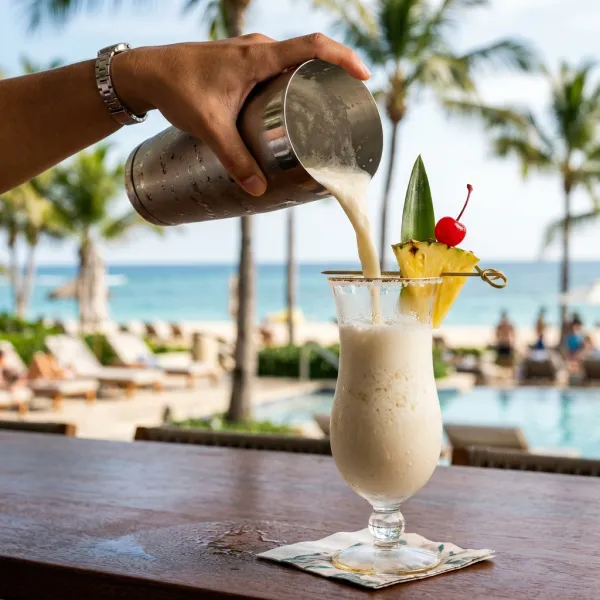
Double strain the cocktail through a Hawthorne or Julep strainer into your frozen martini glass. Hold the lemon peel skin-side-down over the glass and express the citrus oils by pinching the peel. Rub the peel along the rim of the glass, discard or drop it in, and garnish with a green olive on a pick if desired. Serve immediately!
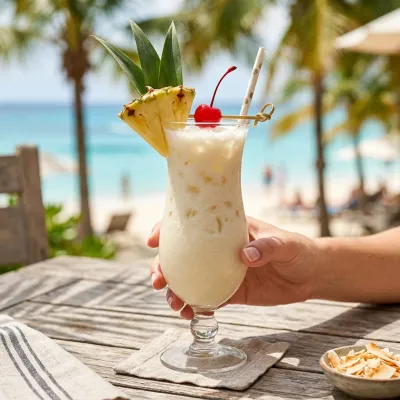
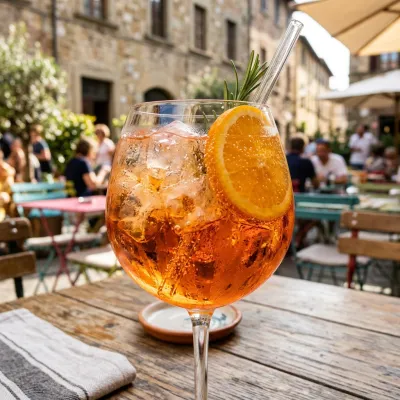
Stirring for a full 30 seconds with solid ice blocks in a pre-frozen glass makes a massive difference! The texture is incredibly silky and viscous, and the dash of orange bitters ties the botanical gin notes together beautifully. Simply exceptional!