

Recipe Science and Culinary Logs
🧪 The Science of Cinnamaldehyde Volatilization & Starch Mimicry
Cinnamon's primary flavor molecule, cinnamaldehyde, is highly volatile. By binding it to heavy cream and pecan butter lipids, we slow down its evaporation, allowing a warm, slow-release flavor that mimics the aroma of real baked banana bread.
📝 From the Test Kitchen: Our Testing Logs
We refined this recipe through kitchen trials to optimize texture and flavor balance:
- Trial 1 (The Initial Failure): We used raw cauliflower rice as a thickener without steaming. The shake tasted earthy and raw, masking the cinnamon.
- Trial 2 (The Mid-Correction): We added too much cinnamon, which made the back of the throat feel dry and scratchy.
- Trial 3 (The Perfection): We used pecan butter as our main lipid base, paired with a pinch of nutmeg and a moderate amount of cinnamon. This perfectly replicated the buttery, spiced notes of real banana bread.
🍳 Kitchen Equipment Checklist
- Fine spice grater for fresh nutmeg.
- Measuring spoons.
⚠️ Common Pitfalls & Mixology Playbook
Freshly grated nutmeg makes a world of difference compared to pre-packaged ground nutmeg, which loses its aromatic oils quickly.
Pecan butter is naturally sweet and has the perfect flavor profile for baked-good replication.
Our Step-By-Step Cooking Guide
Follow these meticulously documented, kitchen-tested instructions to secure perfect results on your first attempt:
-
Step 1
Add the pecan butter, frozen zucchini, heavy cream, almond milk, and banana extract to the blender.
-
Step 2
Blend on medium for 20 seconds to crush the zucchini chunks.
-
Step 3
Add the ground cinnamon, grated nutmeg, sweetener, and ice.
-
Step 4
Blend on high for 50 seconds until a thick, custard-like texture is reached.
-
Step 5
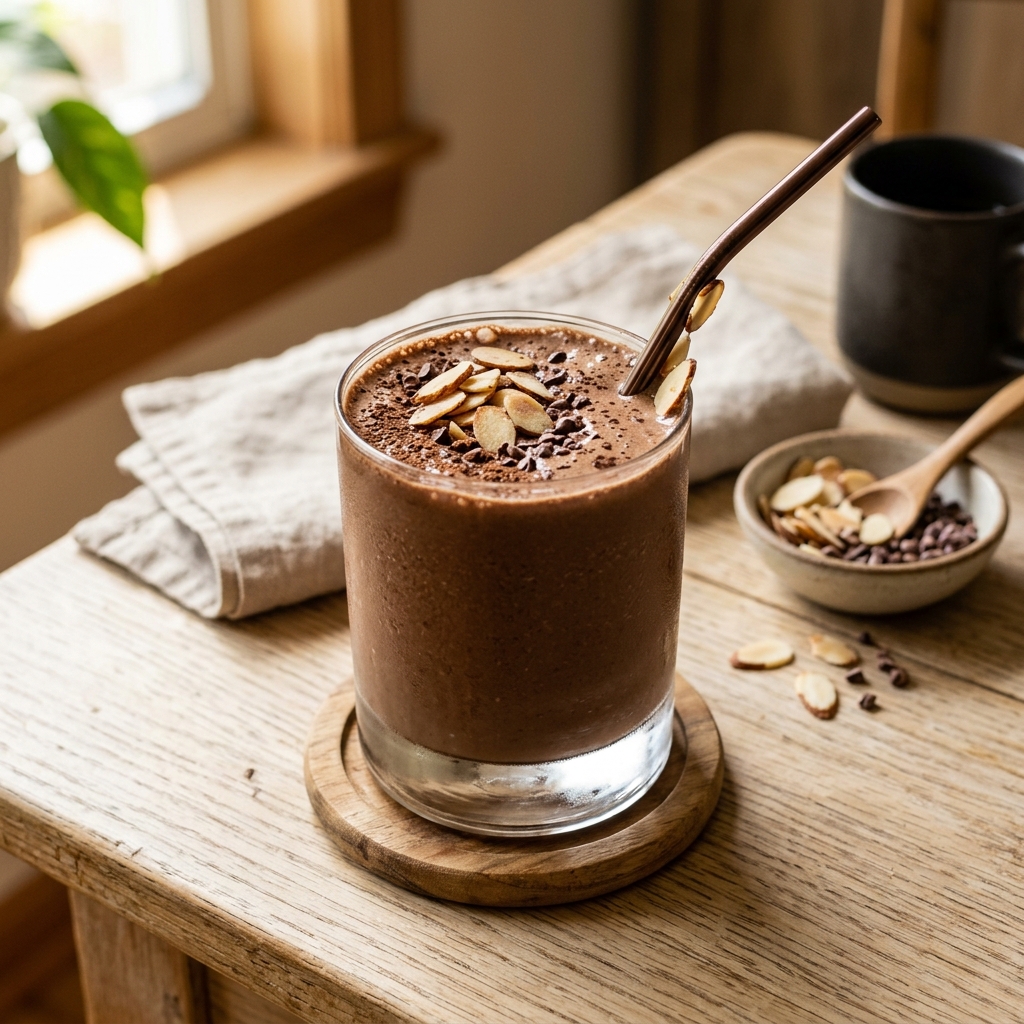
Pour and dust with extra cinnamon on top.


No reviews posted yet. Be the first to cook and review this tested recipe!