

Recipe Science and Culinary Logs
🧪 The Science of Emulsified Cream Sauce
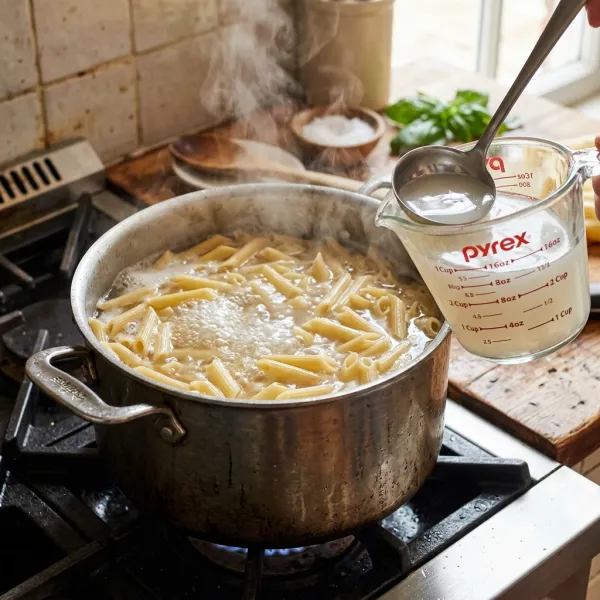
A frequent disappointment with homemade cream pasta sauces is separation—where the fat in the heavy cream splits, leaving a greasy pool at the bottom of the plate. The secret to a velvety, restaurant-grade cream sauce lies in starch emulsion. Pasta releases starches into the boiling water as it cooks. When you splash a small amount of this cloudy, starchy water into your hot heavy cream and butter, the starches act as natural binders, holding the fat molecules and water molecules together. Combined with vigorous tossing, this creates a unified, emulsified glossy sauce that clings tightly to every noodle rather than slipping off.
📝 From the Test Kitchen: Our Testing Logs
Here is how we refined this creamy Cajun pasta through rigorous kitchen testing trials:
- Trial 1 (Curdled Mess): We used half-and-half and added the Cajun spice blend directly to the cold milk mixture. Result: The acids and salts in the spices, combined with the low fat content of the half-and-half, caused the sauce to curdle and break immediately upon hitting the pan.
- Trial 2 (Dry Chicken): We sautéed chicken breasts cubed into bite-sized pieces in the skillet for 10 minutes before simmering the cream. Result: The chicken became overcooked, dry, and chalky while the cream sauce reduced.
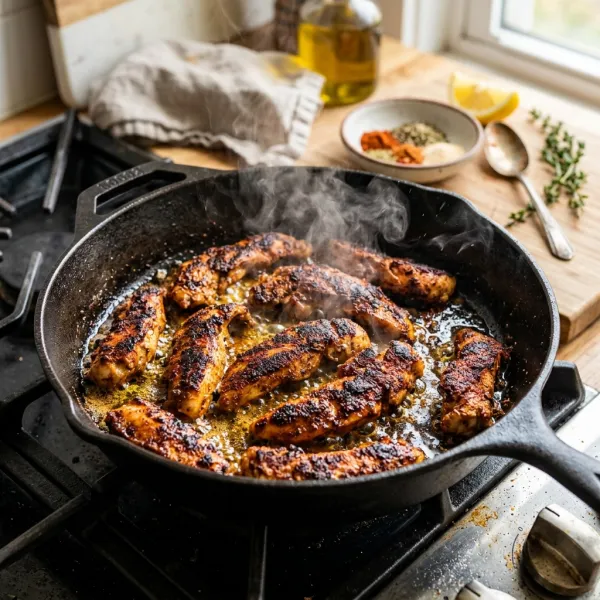
- Trial 3 (Perfect Balance): We sliced the chicken breasts into thin, uniform cutlets, seasoned them generously, and seared them over high heat for just 3 minutes per side. We set the chicken aside to rest, created the cream sauce using the browned chicken bits (fond) in the pan, and folded the pasta and rested chicken back together at the very end. Result: Juicy, perfectly tender seared chicken with a silky, rich Cajun sauce.
🍳 Kitchen Equipment Checklist
- 12-inch Heavy Skillet: Cast iron or tri-ply stainless steel is highly recommended to build a beautiful browned crust (fond) on the chicken.
- Large Pasta Pot: A 5-quart or 6-quart boiling pot to give the penne plenty of room to cook without sticking.
- Microplane Grater: Essential for grating fresh, fine Parmesan cheese which melts smoothly into the sauce without clumping.
- Silicone Spatula: To scrape up all the highly flavorful browned bits from the bottom of the pan.
⚠️ Common Pitfalls & Reheating Playbook
Watch the Heat: Never let your cream sauce boil vigorously after adding the cheese—high heat will cause the proteins in the cheese to seize and turn grainy. Keep it on a low, gentle simmer.
Reheating Playbook: Cream sauces thicken significantly when cooled. To reheat, place the pasta in a small skillet over low heat and add a splash of milk or water (1-2 tablespoons). Stir constantly as it warms to gently loosen the emulsified sauce back to its original velvety state.
Our Step-By-Step Cooking Guide
Follow these meticulously documented, kitchen-tested instructions to secure perfect results on your first attempt:
-
Step 1
Boil penne pasta in a large pot of heavily salted water until just al dente, reserving 1/2 cup of starchy pasta water before draining.
-
Step 2
Season the sliced chicken breasts liberally with Cajun spices. Sear in a screaming-hot skillet with olive oil until a dark, caramelized crust forms (about 3 minutes per side). Remove and rest.
-
Step 3
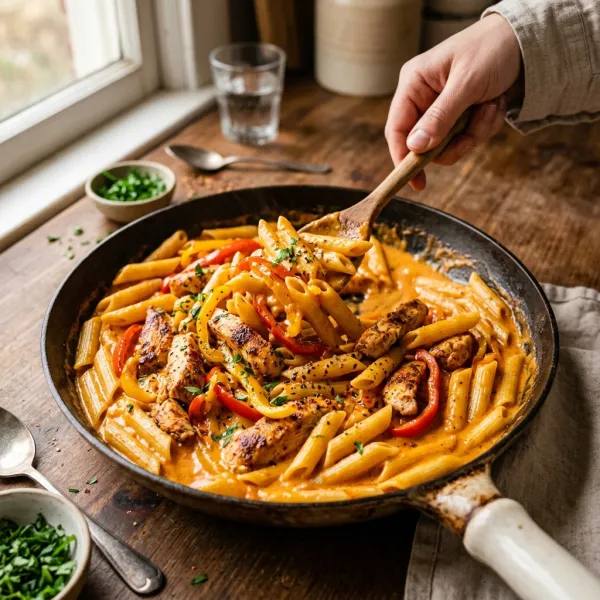
Sauté bell peppers and garlic in the same pan, then pour in heavy cream and simmer. Add cooked penne, sliced chicken, and a splash of starchy pasta water to emulsify the sauce into a glossy coat.

Perfect weeknight pasta, creamy Cajun heat is spot on. My family loved it!